



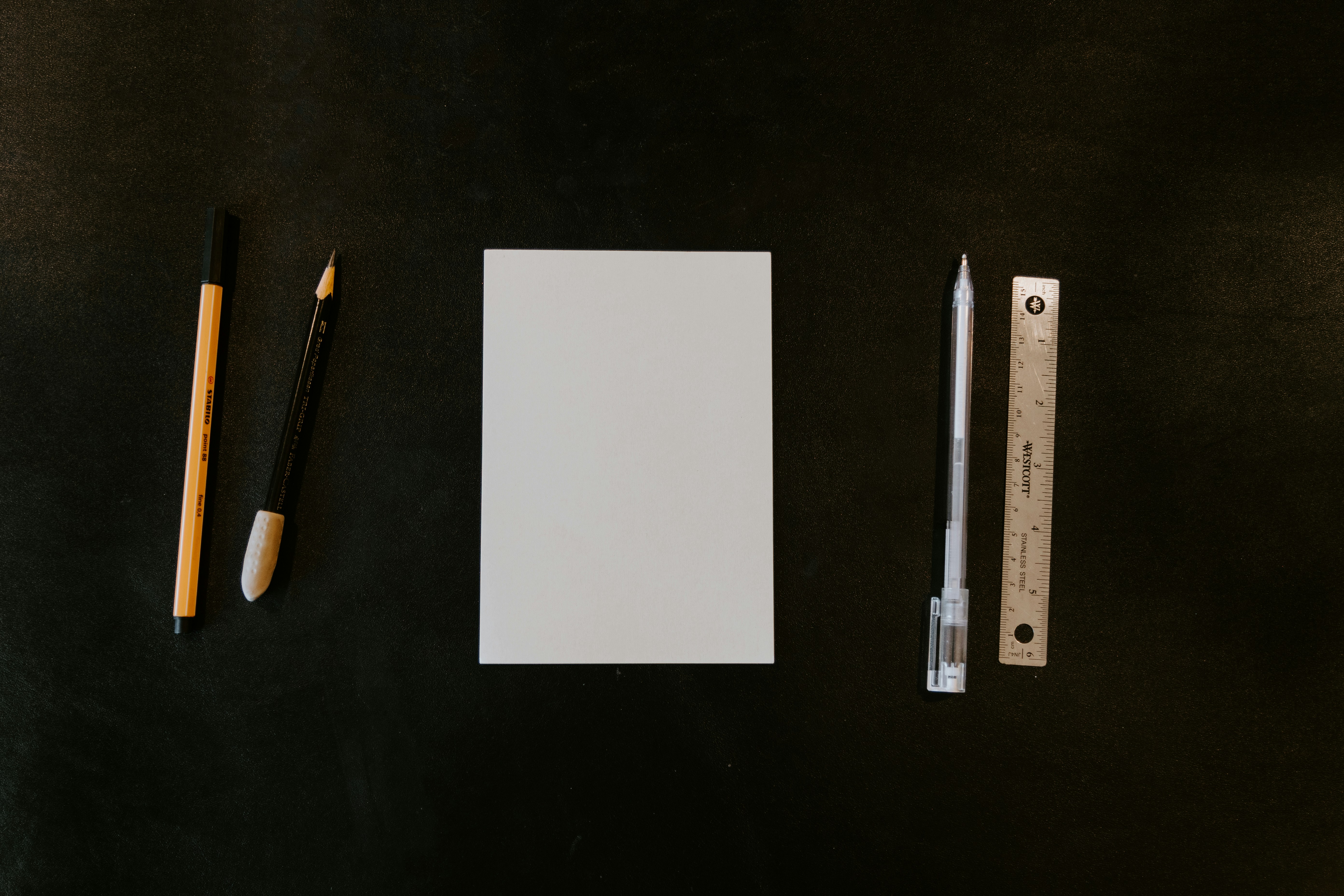
Solo tabletop role-playing has grown from a niche pastime to become a popular choice for players and Dungeon/Game Masters (also known as Storytellers, Referees or Keepers) alike. You don't need a regular group to enjoy immersive storytelling, hone your skills or unwind after a long day. In this article, I will explore some reasons why people choose solo play.
Motivations for solo play:
-
Scheduling and availability You can play whenever you want. Solo sessions can fit in the gaps between work, chores, and group nights.
-
Creative freedom and storytelling You have full control over the story, setting and characters. You can experiment with ideas that the group might reject, or develop worlds at your own pace.
-
Skill development (especially for GMs): Solo play provides a safe environment in which to practise the rules, experiment with pacing and try out different encounter designs.
-
Personal relaxation and escape: Playing alone can provide a calming and focused break. It's structured imagination that you control.
-
Mastery and challenge: You get to experience the satisfaction of optimising builds, overcoming challenging mechanics, and completing a campaign independently.
-
Lack of a gaming group Sometimes there is not a group nearby. Solo play is a practical way to continue enjoying the hobby.
Why these motivations matter:
Practical reasons often take precedence, and poor timing and clashing schedules can prevent more games than bad rules. Solo play removes this obstacle and enables you to continue with your hobby.
Creative control is important, too. If you want to test a theme or build a character that nobody else would play, solo play lets you do that without compromise.
You'll also learn how the rules work in practice, which is a real benefit in terms of skill and challenge. You can experiment with tactics and pacing until you get it right. This will make you a better GM in group games.
It is also a mental space: solo sessions can be restful and restorative. They allow you to focus without the social demands of a group.
Why it sticks:
Out-of-the-box frameworks and adventures: you can use a specialised set of rules, a published adventure or a short module as a starting point. This gives you goals and scenes without you having to invent everything on the spot.
GM emulators come in two forms: paper and digital. Take Oracle tables, for example, or specific tables inside modules that are there to help you. These tools make the world unpredictable through random tables and prompts. They create surprises and keep your sessions interesting.
Adopt the right mindset and treat the tools as collaborators. Your goal is to discover a story, not to write a novel. Be honest about your character and yourself as a player.
But some people just can't!
Not everyone enjoys solo play. If one system doesn't work for you, the logical step is to try another. However, if you find that none of the three types engage you, then solo RPGs probably aren't your thing. That's OK. Don't force it. If it feels like homework, stop. Play should be something you want to do, not something you feel you have to do.
In a nutshell, solo roleplaying offers:
- Sessions can be as short or as long as your schedule allows. From fifteen minutes to a couple of hours.
- Training to become a better player because you separate player knowledge from character knowledge.
- Developing the habit of logging your sessions. Moreover, you improve and add a passion to your notes.
- Randomness creates tension. These random events and consequences force you to react to them.
- Cultivate the proper mindset for each encounter: solving a problem, exploring a location, or roleplaying a crucial conversation.
Photo by Kelly Sikkema from Unsplash