



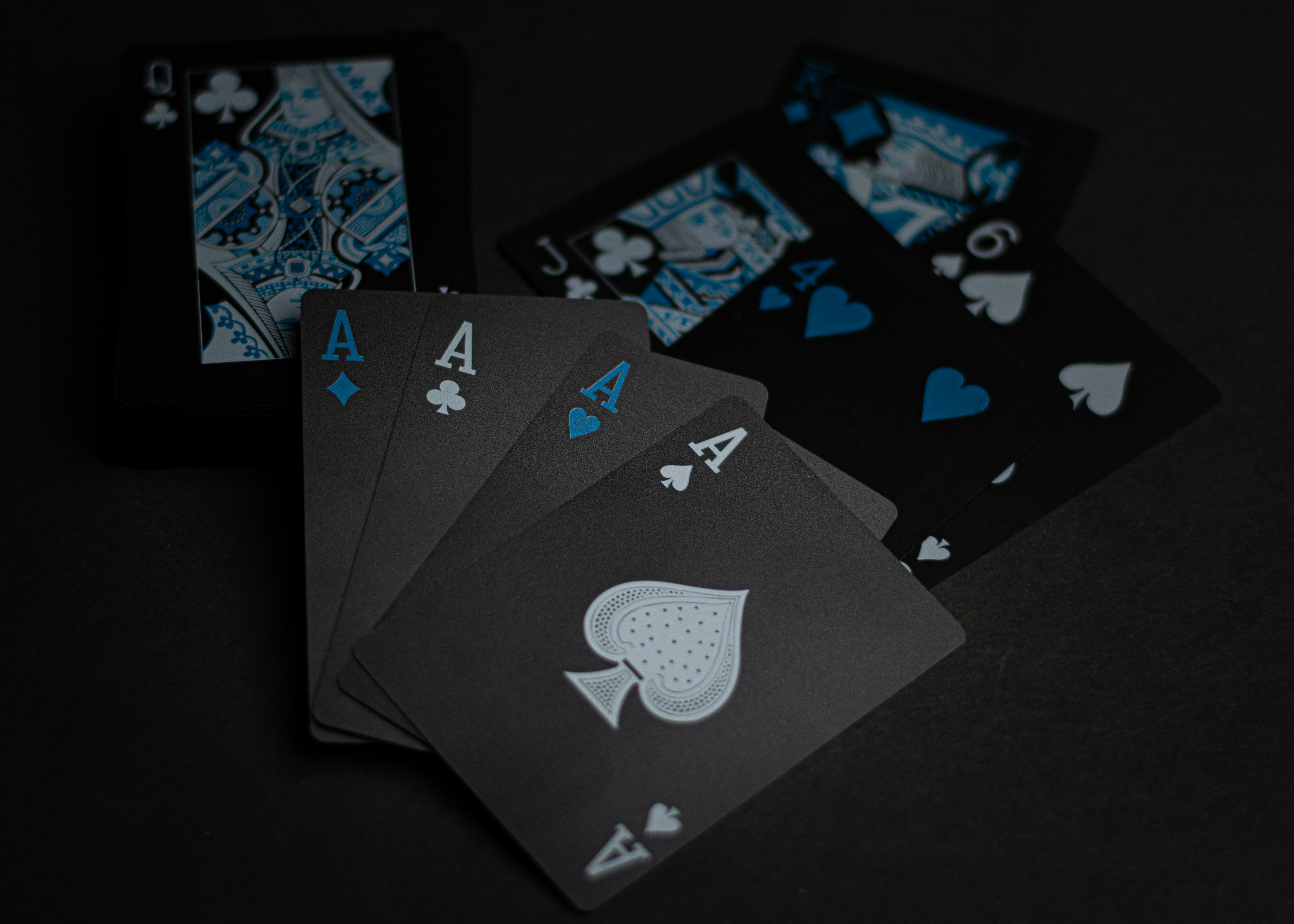
I started a Playing Cards Engine because I want to give the Player a chance to think about his choices more strategically.
I think that making a playing card engine will make the game more fun than using dice. This is because it turns random chance into choices. You receive your hand and after selecting your actions you know how many cards you will draw. What type of combinations you can make and what consequences are you willing to accept. Now you are using the playing your cards strategically.
The problem with dice:
You roll a 20-sided die for your saving throw. You follow the dice until it stops. Now you contemplate the result: it is 1. You collapse. Your character fails, this time for good.
That's just how dice-based RPGs resolve an action in a contest: each roll is a binary response, you made it or not. A game with random components will bring probability and chance of succeeding with a dice roll. Then comes the next challenge and same rule applies. What you did last time, doesn't change the probability of you doing something equally good next time.
I have witnessed this, and it can be frustrating to the Players. They feel like they do not have that much power over the dice or its probability. Sometimes, the dice control their story instead of their choices.
After many years running traditional TTRPGs, I came to realise that something fundamental was not working anymore. In some settings, the dice are not compatible with the story. The dice rolls were an impediment to it.
Games that Use Playing Cards.
Games like Castle Falkenstein, Through the Breach and Deadlands show that card-based systems can work for resolution of challenges and combat simulation. They started from the 1990s up to these days. But most designers still use dice because that's what the RPG origins used in the 70s.
Probability Theory teaches us that card-based systems use dependent probabilities. This means that each draw affects the probability of future draws. Dice rolls are independent events, meaning that each roll has the same chance of coming up with the same number. This simple detail makes Playing Cards games have a stronger intrinsic strategy than dice.
What is the difference between playing cards and dice?
Cards remember what happened because they have dependent probabilities. Dice don't. They have independent probabilities.
For example, when you take an Ace from a 52-card deck, the chance of getting another Ace is slightly lower. The deck changes.
This simple principle makes changes your strategy because you already used some cards. In other words, you can make different choices based on what's left inside the deck.
The mere existece of dependent probability is what makes poker players count cards. This is also why games where you have to manage your hand, make combinations with your draws feel more strategic than games where you just have to be lucky on critical moments with a dice roll.
Hand Management Gives Players Real Power
Picture the following: All players start with a hand.
Players in that moment are not trying to see what will happen. They are thinking about which card to play, which card can make a good combination aiming for ana advantage and clear success in sight.
Players know what they have in their hands and now they will make decisions based on what they will know in the story.
Now suppose that a Player has a bad hand. Then, the Player can draw more cards based on how good your character is at something: Is the Player you good at picking locks? Draw three cards and choose the best one, combine with your hand and show. Is the Player completely unskilled? The Player can keep playing with the cards in his hand.
Using this perspective, Players now can transform the question from "Will I succeed?" while using dice into "How do I use my resources effectively?" when using Playing Cards.
Players want to have more control than a dice roll. Players want their choices to matter. Playing Cards can deliver.
Why I Started This Project
I was running a campaign where one core arc was a heist. The Rogue spent three sessions gaining experience to get the proper feats and upgrade his skills for an infiltration. The Player was sure that he covered all the angles he knew. Then it was time for the important stealth check to avoid traps. He rolled a 1.
The whole plan went wrong because of one bad die roll. The player was crushed from the inside.
That incident was a call to my imagination and programming skills. I should design a Playing Card Engine.
My vision was straightforward: change roleplaying resolution from being a game of chance to a game of choice.
Photo by Pranjall Kumar from Unsplash